Free Resources · 2026
The Complete
Buyer's Guide to
Costa Rica
Legal ownership structures, due diligence, escrow, closing costs, and the top 5 mistakes to avoid — written for people buying in Costa Rica from abroad.

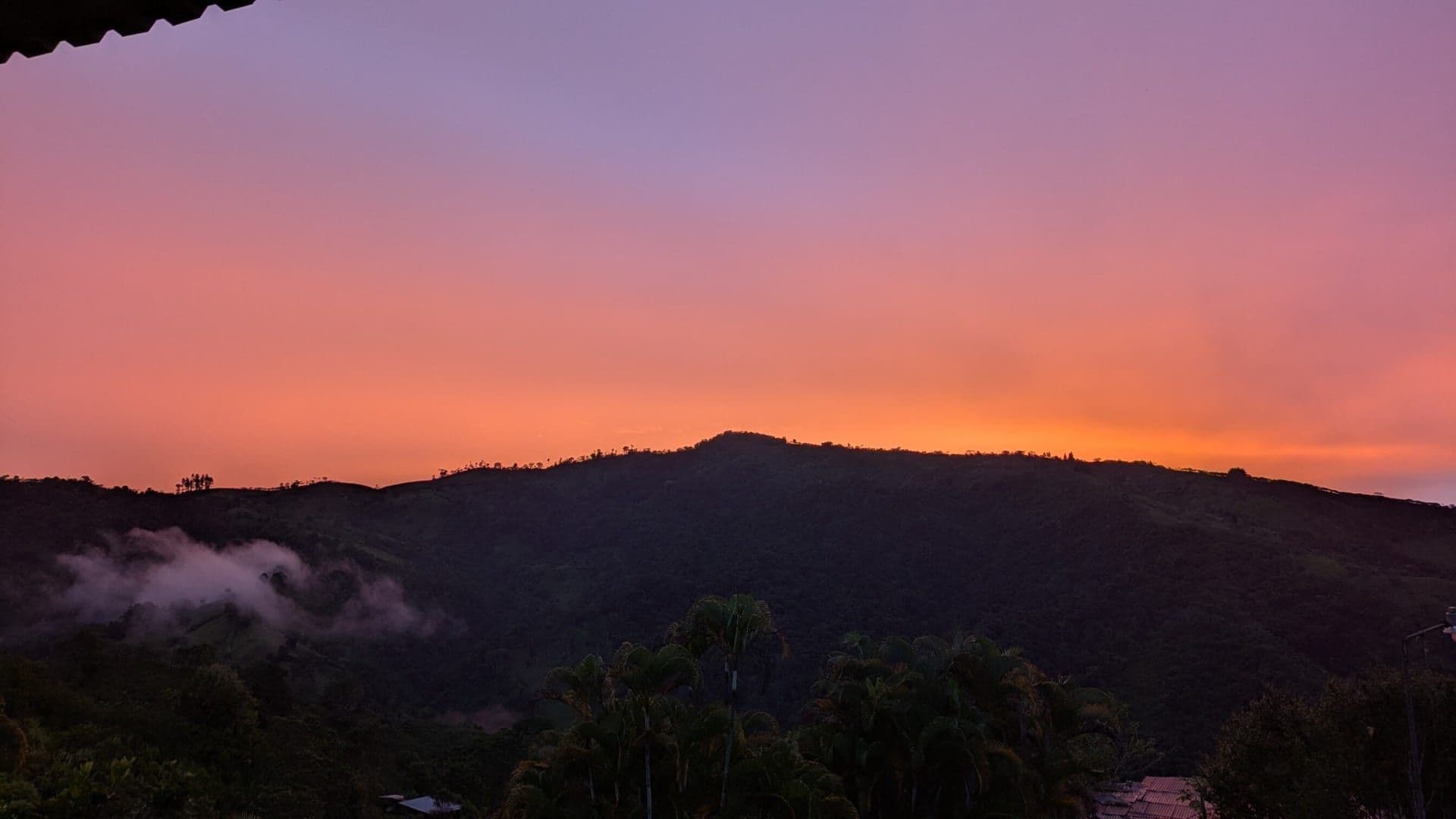
Turrialba · Eastern Central Valley
Market intelligence · 2025 data
Rental Yields by Region
Gross rental yield ranges for short-term vacation rentals, based on 2025 occupancy data from Airbnb/VRBO comparables across Costa Rica's three main investment zones.
Gross rental yield (annual)
9.4 % avg. appreciation (2020–2025)
Tamarindo, Nosara, Flamingo, Potrero
Gross rental yield (annual)
5.1 % avg. appreciation (2020–2025)
Escazú, Santa Ana, San José CBD
Gross rental yield (annual)
12.6 % avg. appreciation (2020–2025)
Uvita, Dominical, Drake Bay
* Yield ranges based on short-term rental comparables. Actual returns depend on property management, seasonality and occupancy rate. Long-term residential rentals typically yield 3–5%.
Legal framework
Ownership Structures & Tax Summary
Foreign ownership is protected under Costa Rican law — but the type of land and its proximity to the coast determines which ownership structure applies.
The first 50 metres from the high-tide line is public domain — it can never be titled or owned by anyone. The next 150 metres is the Restricted Zone and requires a municipal concession. Always verify land category before negotiating.
| Zone / Structure | Foreign Ownership | Capital Gains Tax | Transfer Cost |
|---|---|---|---|
Private Property (inland) | Direct — 100% foreign | 15% on profit | 1.5% of registered or declared value, whichever is higher |
Maritime Zone (50–200 m) | Concession only — no direct title. Foreigners require a Costa Rican partner (≥ 50% CR citizenship) unless property predates 1977 law | 15% on profit | 1.5% + concession transfer fee |
Maritime Zone (0–50 m) | 🚫 Public domain — cannot be owned | N/A | N/A |
Corporate hold (S.R.L.) | Foreign shareholders allowed 100% | 15% corporate capital gains | 1.5% + corporate registry fees |
Step-by-step process
The Costa Rica Buying Protocol
Property Search & Offer
Identify your property and submit an offer through the platform. Once the seller accepts, the price, conditions and timeline are fixed before you commit any money.
Promise of Sale & Earnest Money in Escrow
Both parties sign the promise of sale (promesa de compraventa). You wire the earnest-money deposit (arras, typically 10% of the price) to the account of a licensed, independent escrow agent — never to the seller. The escrow agent's charge (~0.25% of the price, US$1,000 minimum) is paid by the buyer; the platform's 1% technology fee applies to the deposit only. You have a 48-hour cooling-off period after depositing.
Due Diligence (15 days, extendable)
The assigned notary-attorney searches the title at the Registro Nacional (liens, encumbrances, boundary disputes) and checks the plano catastrado, permits, HOA, utilities and environmental restrictions. If a material defect the seller cannot cure appears, your deposit is returned. If you withdraw without cause, the penalty is capped at 5% of the price.
Public Deed, Payment & Registration
You fund the balance into the same escrow account before closing. The notary-attorney drafts and executes the deed — in person or through a valid special power of attorney. The escrow agent pays the seller in two tranches, at signing and once the transfer is registered at the Registro Nacional, each against the notary's attestation. You receive the folio real number.
BuyEnjoy coordinates steps 2–4 for you — escrow deposit, title verification, notary assignment and release by the escrow agent — from a single dashboard, so nothing falls through the cracks.
Avoid these
5 Mistakes Foreign Buyers Make Most Often
Most problems in Costa Rican real estate transactions are avoidable with the right preparation. Here is what to watch out for.
How BuyEnjoy helps
BuyEnjoy's process includes a verified notary-attorney review, Registro Nacional title verification, and regulated escrow of the funds in every transaction — eliminating all five pitfalls by design.
Skipping the Registro Nacional search
Unresolved liens and ownership disputes are invisible until you search the public registry. Always get a full title history before paying any deposit.
Paying the seller directly — no escrow
All funds should flow through the account of a licensed, independent escrow agent, released only against the notary's attestation. Wire fraud and seller fraud are real risks in unregulated transactions.
Ignoring the maritime zone rules
A beautiful beachfront lot within 200m of the high-tide line may be a concession or public land — not a titled property. Always verify with INDER and local municipality.
Using the seller's attorney
In Costa Rica the notary technically represents both parties, but any conflicts of interest must be disclosed. Engage your own independent legal counsel.
Underestimating closing costs
Budget 3.5–4.5% of the price: transfer tax (1.5%), fiscal stamps and registry fees (~1%), notary fees under the current fee schedule (~1–1.5%). Add the escrow agent's charge (~0.25%, US$1,000 minimum). Who pays what is agreed in the offer; by custom the buyer pays or the parties split equally.
Buyer's Intelligence · 2026
The right knowledge
+ the right team
changes everything.
Foreign buyers who complete due diligence with a verified notary-attorney and use regulated escrow close faster — and avoid the most common pitfalls. Our full guide shows you exactly how.
Get the
Full Guide
A concise, honest overview of what foreign buyers need to know before making an offer in Costa Rica. No fluff, no filler.
- 5 things to verify before signing anything
- How maritime zones affect beachfront titles
- Typical closing costs — ballpark numbers
- Which areas attract international buyers and why
Download Buyer's Pack
Confidential. Delivered instantly. No spam, ever.
Already a BuyEnjoy member? Go to dashboard